Showing posts with label dementia. Show all posts

The Importance Of B Vitamins For Brain Health & Combating Dementia


By Dr. Mercola
A number of studies have investigated the impact of vitamin supplementation to prevent and/or treat cognitive dysfunction and decline. 
It's well-established that healthy fats such as animal-based omega-3 fats are really important for brain health, but other nutrients such as vitamins are also necessary for optimal brain function.
Most recently, a Korean study1 concluded that giving a multivitamin supplement to seniors suffering from mild cognitive impairment and depression helped improve both conditions.
B vitamins in particular, especially folate (B9, aka folic acid in its synthetic form) and vitamins B6 and B12, have made headlines for their powerful role in preventing cognitive decline and more serious dementia such as Alzheimer's disease.
Mental fogginess and problems with memory are actually two of the top warning signs that you have vitamin B12 deficiency, indicating its importance for brain health. 

B Vitamins and Omega-3 — An Important Combo for Brain Health

Although Dr. Michael Greger's video is a good review on the research about B vitamins, being a vegetarian he does not include information about animal-based omega-3 fats, which are also beneficial in reducing dementia.
Low plasma concentrations of omega-3 and high levels of the amino acid homocysteine are associated with brain atrophy, dementia, and Alzheimer's. Vitamins B6, B9, and B12 help convert homocysteine into methionine — a building block for proteins.
If you don't get enough of these B vitamins, this conversion process is impaired and as a result your homocysteine levels increase. Conversely, when you increase intake of folic acid (folate), vitamin B6, and vitamin B12, your homocysteine levels decrease.
In one placebo-controlled trial2 published in 2015, 168 seniors diagnosed with mild cognitive impairment were randomly assigned to receive either placebo, or daily supplementation with 0.8 mg of folic acid, 20 mg of vitamin B6, and 0.5 mg of B12. 
It's worth noting that these are quite high doses — far above the U.S. RDA. All participants underwent cranial magnetic resonance imaging (MRI) scans at the outset of the study, and at the end, two years later. 
The effect of the vitamin B supplementation was analyzed and compared to their omega-3 fatty acid concentrations at baseline. Interestingly, only those who had high omega-3 levels reaped beneficial effects from the B vitamins.
As noted by the authors:
"There was a significant interaction between B vitamin treatment and plasma combined omega-3 fatty acids (eicosapentaenoic acid and docosahexaenoic acid) on brain atrophy rates. 
In subjects with high baseline omega-3 fatty acids (>590 μmol/L), B vitamin treatment slowed the mean atrophy rate by 40 percent compared with placebo. 
B vitamin treatment had no significant effect on the rate of atrophy among subjects with low baseline omega-3 fatty acids (<390 μmol/L). High baseline omega-3 fatty acids were associated with a slower rate of brain atrophy in the B vitamin group but not in the placebo group... 
It is also suggested that the beneficial effect of omega-3 fatty acids on brain atrophy may be confined to subjects with good B vitamin status."

B Vitamins Significantly Slow Brain Shrinkage

As mentioned above, elevated homocysteine is linked to brain degeneration, and B vitamins are known to suppress homocysteine. 
A 2010 study,3 in which participants again received higher than normal doses of B vitamins, also found that people receiving B vitamins experienced far less brain shrinkage than the placebo group.
Here the participants received either a placebo or 800 micrograms (mcg) folic acid, 500 mcg B12, and 20 mg B6. The study was based on the presumption that by controlling homocysteine levels you might be able to reduce brain shrinkage, thereby slowing the onset of Alzheimer's.
Indeed, after two years those who received the vitamin B regimen suffered significantly less brain shrinkage compared to those who had received a placebo. Those who had the highest levels of homocysteine at the start of the trial experienced brain shrinkage at half the rate of those taking a placebo.

Research Shows B Vitamins Specifically Slow Alzheimer's Disease

A 2013 study4 takes this research a step further, showing that not only do B vitamins slow brain shrinkage, but they specifically slow shrinkage in brain regions known to be most severely impacted by Alzheimer's disease. Moreover, in those specific areas the shrinkage is decreased by as much as seven-fold!
The brain scans clearly show the difference between placebo and vitamin supplementation on brain atrophy. As in the studies above, participants taking high doses of folic acid and vitamins B6 and B12 lowered their blood levels of homocysteine, and brain shrinkage was decreased by as much as 90 percent. 
As noted by the authors:
" … B vitamins lower homocysteine, which directly leads to a decrease in GM [gray matter] atrophy, thereby slowing cognitive decline.
Our results show that B vitamin supplementation can slow the atrophy of specific brain regions that are a key component of the AD [Alzheimer's disease] process and that are associated with cognitive decline."

B12-Rich Foods Reduce Risk of Alzheimer's in Later Years

Other supporting research includes a small Finnish study5 published in 2010. It found that people who consume vitamin B12-rich foods may reduce their risk of Alzheimer's in their later years. 
For each unit increase in the marker of vitamin B12 (holotranscobalamin), the risk of developing Alzheimer's was reduced by 2 percent. This makes a strong case for ensuring your diet includes plenty of B vitamin foods, such as meat, poultry, eggs, dairy products and wild-caught fish. 
Leafy green vegetables, beans, and peas also provide some of the B vitamins, but if you eat an all vegetarian or vegan diet, you're at a significantly increased risk of vitamin B12 deficiency, as B12 is naturally present in foods that come from animals, including meat, fish, eggs, milk and milk products. 
In such a case, supplementation is really important. Another concern is whether your body can adequately absorb the B12. It's the largest vitamin molecule we know of, and because of its hefty size, it's not easily absorbed. 
This is why many, if not most, oral B12 supplements fail to deliver any benefits. Vitamin B12 requires a gastric protein called intrinsic factor to bind to it, which allows it to be absorbed in the end of your small intestine (terminal ileum). The intrinsic factor is absorbed first, pulling the attached B12 molecule along with it. 
As you grow older, your ability to produce intrinsic factor decreases, thereby increasing your risk for vitamin B12 deficiency. Use of metformin (Glucophage, Glucophage XR, Fortamet, Riomet, and Glumetza) may also inhibit your B12 absorption, especially at higher doses. Drinking four or more cups of coffee a day can reduce your B vitamin stores by as much as 15 percent, and use of antacids will also hinder your body's ability to absorb B12. 

Other Valuable Vitamins for Brain Health

Besides B vitamins, vitamins C and D are also important for optimal brain health.6 Vitamin C plays a role in the production of neurotransmitters, including serotonin, which has antidepressant activity. Vitamin C has also been shown to improve IQ, memory, and offer protection against age-related brain degeneration and strokes. 
In one study,7 the combination of vitamin C and E (which work synergistically) helped reduce the risk of dementia by 60 percent. Vitamin C also has detoxifying effects, and due to its ability to cross your blood-brain barrier, it can help remove heavy metals from your brain.
Vitamin D, a steroid hormone produced in your skin in response to sun exposure, also has profound effects on your brain. Pregnant women need to be particularly cognizant of this, as vitamin D deficiency during pregnancy can prevent proper brain development in the fetus, plus a host of other problems. After birth, children need vitamin D for continued brain development, and in adulthood, optimal levels have been shown to help prevent cognitive decline.8,9

Where to Find These Valuable Brain Nutrients

There's nothing "normal" about cognitive decline. More often than not, it's due to poor lifestyle choices, starting with a nutrient-deficient diet that is too high in sugars, non-vegetable carbs, unhealthy fats like trans fats, and too many toxins (pesticides and artificial additives, etc). 
As a general rule, I recommend getting most if not all of your nutrition from REAL FOOD, ideally organic to avoid toxic pesticides, and locally grown. Depending on your situation and condition however, you may need one or more supplements. 
To start, review the following listing of foods that contain the brain nutrients discussed in this article: animal-based omega-3s, vitamins B6, B9, and B12, C, and D. If you find that you rarely or never eat foods rich in one or more of these nutrients, you may want to consider taking a high-quality, ideally food-based supplement. I've made some suggestions to keep in mind when selecting a good supplement.
NutrientDietary SourcesSupplement Recommendations
Animal-based omega-3Fatty fish that is low in mercury, such as wild-caught Alaskan salmon, sardines, and anchovies, as well as organic grass-fed beef.10

Sardines, in particular, are one of the most concentrated sources of omega-3 fats, with one serving containing more than 50 percent of your recommended daily value. 
Antarctic krill oil is a sustainable choice. It also has the added benefit of containing natural astaxanthin, which helps prevent oxidation.

Another good option is wild-caught Alaskan salmon oil.
Vitamin B6Turkey, beef, chicken, wild-caught salmon, sweet potatoes, potatoes, sunflower seeds, pistachios, avocado, spinach and banana.11,12Nutritional yeast is an excellent source of B vitamins, especially B6.13One serving (2 tablespoons) contains nearly 10 mg of vitamin B6.

Not to be confused with Brewer's yeast or other active yeasts, nutritional yeast is made from an organism grown on molasses, which is then harvested and dried to deactivate the yeast.

It has a pleasant cheesy flavor and can be added to a number of different dishes. For tips, see this vegan blog post.14
Folate (B9)Fresh, raw, and organic leafy green vegetables, especially broccoli, asparagus, spinach, and turnip greens, and a wide variety of beans, especially lentils, but also pinto beans, garbanzo beans, navy and black beans, and kidney beans.15Folic acid is a synthetic type of B vitamin used in supplements; folate is the natural form found in foods.

Think: folate comes from foliage(edible leafy plants).

For folic acid to be of use, it must first be activated into its biologically active form — L-5-MTHF.

This is the form able to cross the blood-brain barrier to give you the brain benefits noted.

Nearly half of the population has difficulty converting folic acid into the bioactive form due to a genetic reduction in enzyme activity.

For this reason, if you take a B vitamin supplement, make sure it contains natural folate rather than synthetic folic acid.

Nutritional yeast is an excellent source.16
Vitamin B12Vitamin B12 is found almost exclusively in animal tissues, including foods like beef and beef liver, lamb, snapper, venison, salmon, shrimp, scallops, poultry, eggs, and dairy products.

The few plant foods that are sources of B12 are actually B12 analogs that block the uptake of true B12.

Also consider limiting sugar and eating fermented foods.

The entire B group vitamin series is produced within your gut, assuming you have healthy gut flora.

Eating real food, ideally organic, along with fermented foods will provide your microbiome with important fiber and beneficial bacteria to help optimize your internal vitamin B production. 
Nutritional yeast is also high in B12, and is highly recommended for vegetarians and vegans.

One serving (2 tbsp) provides nearly 8 micrograms (mcg) of natural vitamin B12.17

Sublingual (under-the-tongue) fine mist spray or vitamin B12 injections are also effective, as they allow the large B12 molecule to be absorbed directly into your bloodstream. 
Vitamin CSweet peppers, chili peppers, Brussel sprouts, broccoli, artichoke, sweet potato, tomato, cauliflower, kale, papaya, strawberries, oranges, kiwi, grapefruit, cantaloupe, and lemon.

To boost your intake of fruits and vegetables, consider juicing. As an alternative, you can also make fermented vegetables at home.

The vitamin C in sauerkraut (fermented cabbage) is about six times higher than in the same helping of unfermented cabbage, so it's an excellent way to boost your vitamin C intake. 
The most effective form of oral vitamin C is liposomal vitamin C.

It's not associated with many of the complications of traditional vitamin C or ascorbic acid (such as gastrointestinal distress), which will allow you to achieve higher intracellular concentrations.

You can expect a significant rise in plasma vitamin C concentration at doses between 30 and 100 mg/day.

Taking vitamin C frequently throughout the day is more effective than taking one large dose once a day. 
Vitamin DVitamin D is created naturally when your skin is exposed to sunshine.

While you can get some vitamin Dfrom grass-fed meats and other whole foods and fortified foods, sun exposure is an ideal primary source. 
When taking supplemental vitamin D, also be sure to increase your intake of vitamin K2 and magnesium, either from food or a supplement.


Thanks for taking the time to read this article. If you found this information helpful, please share it with your friends and family. Your support in our endeavor of sharing free information would be much appreciated.

Follow us on Facebook to stay updated with what's going Viral in the Alternative News scene. https://www.facebook.com/ViralAlternativeNews

http://articles.mercola.com

She Gave Her Husband 1 Tbsp Of Coconut Oil Twice A Day For A Month. You Won`t Believe What Happened!


Obesity, diabetes and cardiovascular disease are the most common ailments that affect people throughout the world. Unfortunately, the number of patients keeps rising, and health experts consider this to be a matter of concern, because the latest research has shown that by 2050 about 15 million people shall develop Alzheimer’s.

Dr Mary T. Newport, a neonatal practitioner, did a thorough research based on scientific data about Alzheimer’s disease. She found that medium chain triglycerides, or MCT, are the best remedy for this common disease. She also says that coconut is the richest source of these triglycerides.

Steve, Mary’s husband, was diagnosed with progressive dementia. At that time Steve was 54. His MRI showed that the disease was likely to progress and eventually develop into Alzheimer’s. Steve had hard time struggling with his disease.

He had memory problems and the problem went to the extent that he could not find a spoon of take his water bottle out of the fridge. Unfortunately, his problem did not end here. Steve went through a severe depression as well. Mary’s thorough research showed that depression is actually a indicator of Alzheimer’s disease.

What makes MCT so important?

Insufficient glucose in blood forces body cells to use ketone bodies. Brain cells require a particular kind of fuel in order to perform their function, and it is either glucose or ketone bodies. Unfortunately, human bodies cannot produce ketone bodies.

What does Alzheimer’s do to your body?

Insulin resistance is the reason why brain cells are unable to use glucose as fuel, which leads to their dying off. The bad news is that this process develops 10-20 years before the patient notice any symptoms. Cells that are able to find ketone bodies use them later as a fuel and manage to survive. The same process develops in people who struggle with Parkinson’s and Huntington’s disease, multiple sclerosis and ALS. Patients deal with the same problem, and the only difference is that the disease affects different part of the brain or the spinal cord.

Human body metabolizes MCT in a different way than it does with other fats. Liver converts these fats into ketone bodies and energy. Oral consumption of medium chain triglycerides causes hyperketonemia, or an increased level of ketone bodies and blood. Brain cells can use these as alternative fuel.

According to Dr Newport, hyperketonemia boosts cerebral blood flow by 39%, and it has the ability to decrease cognitive disorders that are commonly associated with hypoglycemia. In her study, the doctor explains that coconut oil is 60% medium chain fatty acids, it contains no cholesterol, and a large amount of omega-6 fats. Breast milk or palm kernel are also an excellent source of MCT. Cow and goat milk contain lower amounts of these triglycerides. Experts say that some dairy products contain MCT as well.

Steve’s disease found a way to progress and Mary was desperate to find a remedy that would help in relieving her husband’s problem. She decided to apply the coconut treatment on Steve, which was actually the last option she was left with. Her husband was taking 2 tablespoons of coconut oil every day for a whole month. The results surprised everybody.

After just 2 weeks, Steve was asked to draw a clock, and he showed great improvement. Today, Dr Newport claims that coconut oil can help every patient diagnosed with Alzheimer’s disease.


Thanks for taking the time to read this article. If you found this information helpful, please share it with your friends and family. Your support in our endeavor of sharing free information would be much appreciated.

Follow us on Facebook to stay updated with what's going Viral in the Alternative News scene. https://www.facebook.com/ViralAlternativeNews

http://tdhealthyfood.com

http://www.weeklyhealthylife.com

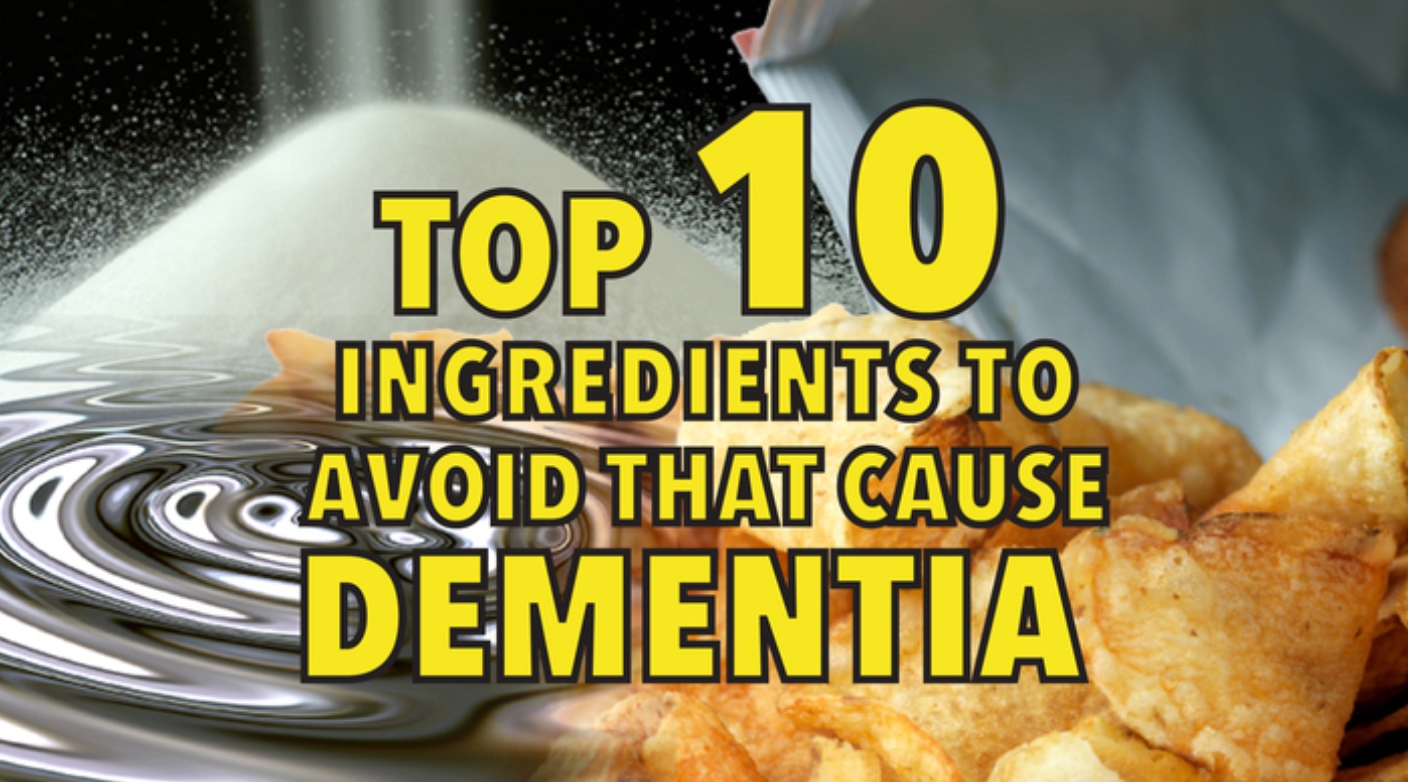
Top 10 Ingredients To Avoid That Cause Dementia


Food affects our bodies and minds. Many people would be surprised to discover just how many food ingredients are linked to cognitive disorders, like dementia.
Dementia is considered by many people to be a disease that accompanies age. Contrary to popular belief, however, dementia isn’t a specific malady, but a general term that encompasses a variety of cognitive impairments in memory, thinking and communication.
It’s unsurprising that food alters our brains. What is surprising is that certain foods contain ingredients that can damage our brains. Consider the following as a list of ingredients that are best classified as brain poison.
1. Advanced glycation end products (AGEs) may cause plaque buildup in brain 
AGEs, also known as glycotoxins, are proteins that have become glycated through exposure to sugars. Cooking foods at high temperatures, including fries and meats, can produce AGEs. These harmful compounds have been linked to hypertension and diabetes; however, recent evidence suggests that AGEs are associated with dementia as well.
Increased levels of AGEs may cause amyloid plaques, which are protein pieces that are characteristic of dementia, to concentrate in the brain. A study published in journal PNAS found that the consumption of glycotoxins led to dementia in mice. The team tracked the cognitive health of young, middle-aged and old mice that were fed diets with portions of AGEs similar to a Western diet. The researchers found that old mice that were fed high amounts of AGEs developed amyloid plaque. The researchers noted that the mice’s cognitive decline was not associated with age, since these symptoms were not found in aged mice on a low-AGE diet.
2. High amounts of aluminum are toxic to brain tissue
The human body was not designed to ingest aluminum. Nevertheless, aluminum is a food additive used in almost everything, including cheese, cake mixes and milk formulas. It’s also linked to the beginning stages of Alzheimer’s disease. No one knows how much, if any, aluminum is safe to ingest. The toxic heavy metal is regarded as a dangerous neurotoxin.
Aluminum is a like a drug that directly effects the nervous system. Scientists are certain that toxic metals damage brain tissue. A diet high in aluminum is no exception.
3. Artificial sweetener aspartame linked to neurological complications
Aspartame is an artificial sweetener used as a sugar substitute for yogurt, cereal and diet drinks, but that doesn’t mean it’s healthy. Among all the artificial sugar products, aspartame is the most controversial. It’s been linked to brain tumors, seizures and, perhaps unsurprisingly, dementia. One controversial ingredient in aspartame is methanol — a harmful toxin linked to neurological complications.
4. Fluoride increases brain decay
Many U.S. municipalities fluoridate drinking water ostensibly to help reduce tooth decay, even though fluoride only works on the surface of teeth, not when you ingest it. Rather than using naturally occurring fluoride, cities instead tend to buy hydrofluorosilicic acid, chemical waste from phosphate fertilizer industries in China. Despite its purported use to improve public health, this chemical has been associated with a swath of health problems like dementia.
If clinical studies that examine the effects of fluoride on rats shed any light on the effects that fluoride has on senior citizens, the results are unsettling. According to research stemming from Charles University in the Czech Republic, exposing rats to the same amount of fluoride in the public’s drinking water resulted in the formation of amyloid — the plaque that proliferates brains ridden with Alzheimer’s disease. Furthermore, a plethora of studies have shown that water fluoridation causes brain damage and is associated with lower IQ in children.
5. Long-term mercury exposure linked to Alzheimer’s disease
Nearly everyone knows that many vaccines contain mercury; so do a variety of foods and ingredients, including salmon, rice and high-fructose corn syrup. Like other toxins, research suggests that long-term exposure to mercury may produce Alzheimer’s-like symptoms in people.
In another study published in the Journal of Alzheimer’s Disease, researchers reviewed more than 100 studies that examined mercury exposure in cell models, animals and humans. The team found a strong link between mercury exposure and behavior associated with Alzheimer’s disease. Although the researchers could not prove that long-term mercury exposure causes Alzheimer’s disease in people, the results shouldn’t be taken with a grain of salt.
6. Artificial flavoring diacetyl is junk for the brain
An artificial flavoring known as diacetyl used in popcorn butter has been linked to dementia. It’s not just found in butter though. Diacetyl is in snack foods, baked goods and beer. Many companies have ceased using diacetyl because of its health risks.
Like other noxious ingredients associated with dementia, diacetyl has been shown to produce the Alzheimer’s-linked protein amyloid. Moreover, other research suggests the diacetyl disrupts the production of glyoxalase I, a detoxifying protein that prevents amyloids from sticking together.
7. Food preservative monosodium glutamate (MSG) accelerates cognitive decline
Similar to diacetyl, MSG is a preservative and flavor enhancer used in almost every food. Unfortunately, like diacetyl, it also increases the risk of Alzheimer’s disease.
MSG is an excitotoxin, meaning it causes brain cells to fire uncontrollably. This can worsen pre-existing cognitive disabilities, including Alzheimer’s, Parkinson’s and Lou Gehrig’s disease.
8. Soy tofu may impair memory
Soy products like tofu are often considered a healthier alternative to meat; however, not all soy products are created equal. According to a study published in Dementia and Geriatric Cognitive Disorders, high tofu consumption was linked to worsening memory, whereas high tempe consumption, a less processed soy product, was shown to improve memory.
9. Trans fats shrivel brain
Trans fats are the fats to avoid when it comes to warding off Alzheimer’s disease. They have been shown to shrink the brain and increase the risk of dementia. Many fast foods, fried foods and processed foods are loaded with trans fats.
Trans fats deprive the brain of oxygen by clogging veins and arteries. In particular, trans fats rob the brain of the essential chemical apolipoprotein E, which helps regulate amyloids in the brain. When unregulated, amyloids form plaque that interfere with neuron function.
10. Glyphosate herbicide kills pests and brain cells
Glyphosate is the main ingredient used in Roundup herbicide and has been estimated to be in most processed food. It’s the most popular herbicide used in the world. Glyphosate doesn’t just kill pests though; it kills brains cells.
When we consume produce sprayed with glyphosate, it changes our body chemistry as well. When observed in the lab, Roundup herbicide produced the same oxidative stress found in cells associated with Alzheimer’s disease. In order to avoid glyphosate, try switching to whole organic foods.
“Food for thought” just took on a whole new meaning. We can use this list as a reminder for which ingredients to avoid purchasing. Better yet, with this list, our memories will be so good that we won’t need to be reminded.


Thanks for taking the time to read this article. If you found this information helpful, please share it with your friends and family. Your support in our endeavor of sharing free information would be much appreciated.

Follow us on Facebook to stay updated with what's going Viral in the Alternative News scene. https://www.facebook.com/ViralAlternativeNews

http://top10grocerysecrets.com

How Sugar Harms Your Brain Health and Drives Alzheimer’s Epidemic


By Dr. Mercola

Alzheimer's disease, a severe form of dementia, affects an estimated 5.2 million Americans, according to 2013 statistics.

One in nine seniors over the age of 65 has Alzheimer's, and the disease is now thought to be the third leading cause of death in the US, right behind heart disease and cancer.

A growing body of research suggests there's a powerful connection between your diet and your risk of developing Alzheimer's disease, via similar pathways that cause type 2 diabetes.

Contrary to popular belief, your brain does not require glucose, and actually functions better burning alternative fuels, especially ketones, which your body makes in response to digesting healthy fats.

According to some experts, such as Dr. Ron Rosedale, Alzheimer's and other brain disorders may in large part be caused by the constant burning of glucose for fuel by your brain.

Alzheimer's disease was tentatively dubbed "type 3 diabetes" in early 2005 when researchers discovered that in addition to your pancreas, your brain also produces insulin, and this brain insulin is necessary for the survival of brain cells.

Sugar Damages Brain Structure and Function

In your brain, insulin helps with neuron glucose-uptake and the regulation of neurotransmitters, such as acetylcholine, which are crucial for memory and learning. This is why reducing the level of insulin in your brain impairs your cognition.

Research has also shown that type 2 diabetics lose more brain volume with age than expected—particularly gray matter. This kind of brain atrophy is yet another contributing factor for dementia.

Studies have found that people with lower levels of insulin and insulin receptors in their brain often have Alzheimer's disease. But according to recent research published in the journal Neurology, sugar and other carbohydrates can disrupt your brain function even if you're not diabetic or have any signs of dementia.

To test their theory, they evaluated short- and long-term glucose markers in 141 healthy, non-diabetic, non-demented seniors. Memory tests and brain imaging were administered to assess their brain function and the actual structure of their hippocampus. As reported by Scientific American:

"Higher levels on both glucose measures were associated with worse memory, as well as a smaller hippocampus and compromised hippocampal structure.

The researchers also found that the structural changes partially accounted for the statistical link between glucose and memory. According to study co-author Agnes Flöel, a neurologist at Charité, the results 'provide further evidence that glucose might directly contribute to hippocampal atrophy.'"

The findings suggest that even if you're not diabetic or insulin resistant (and about 80 percent of Americans fall into the latter category), sugar consumption can still disrupt your memory.

Long-term, it can contribute to the shrinking of your hippocampus, which is a hallmark symptom of Alzheimer's disease. (Your hippocampus is involved with the formation, organization, and storage of memories.)

The authors of the study suggest that "strategies aimed at lowering glucose levels even in the normal range may beneficially influence cognition in the older population."

'Normal' Blood Sugar Levels May Still Be High Enough to Cause Problems

Normally, a fasting blood sugar level between 100-125 mg/dl is diagnosed as a pre-diabetic state. A fasting blood sugar level of 90-100 is considered "normal." But in addition to the featured research, other studies have also found that brain atrophy occurs even in this "normal" blood sugar range.

Neurologist Dr. David Perlmutter, MD insists that being very strict in limiting your consumption of sugar and non-vegetable carbs is one of THE most important steps you can take to prevent Alzheimer's disease for this very reason.

He cites research from the Mayo Clinic, which found that diets rich in carbohydrates are associated with an 89 percent increased risk for dementia. Meanwhile, high-fat diets are associated with a 44 percent reduced risk.


Sugar Lobby Threatens Organizations and Buries Science on Health Effects

Compelling research shows that your brain has great plasticity, which you control through your diet and lifestyle choices. Unfortunately, the American public has been grossly brainwashed by the sugar and processed food industries into believing that sugar is a perfectly reasonable "nutrient" that belongs in a healthy diet.  

Without accurate information, it's certainly more difficult to make health-affirming choices. Newsweek5 recently ran an article revealing just how far the sugar industry will go to defend its market share:

"According to a new report6 from the Center for Science and Democracy... industry groups representing companies that sell sweeteners, like the Sugar Association and the Corn Refiners Association... have poured millions of dollars into countering science that indicates negative health consequences of eating their products.

For example, when a University of Southern California study from 2013 found that the actual high fructose corn syrup content in sodas 'varied significantly' from the sugar content disclosed on soda labels, the Corn Refiners Association considered paying for its own counter research.

A consultant suggested that the counter research should only be published if the results aligned with their goal of disputing the USC study: 'If for any reason the results confirm [the University of Southern California study], we can just bury the data,' the consultant wrote, according to the report."

According to the Center for Science report, the Sugar Association even threatened the director general of the World Health Organization (WHO). WHO had published a paper on sugar, recommending a 10 percent limit on added sugars, stating that added sugars "threaten the nutritional quality of diets."

The Sugar Association shot off a letter to the director general, warning him that, unless WHO withdrew the study, the Sugar Association would persuade the US Congress to withdraw the WHO's federal funding. The following year, when WHO published its global health strategy on diet and health, there was no mention of the offending sugar study.

The Sugar Lobby Deserves Blame for Fueling Chronic Disease Epidemics

Indeed, despite overwhelming evidence showing that sugar, and processed fructose in particular, is at the heart of our burgeoning obesity and chronic disease epidemics, the sugar lobby has been so successful in its efforts to thwart the impact of such evidence that there's still no consensus among our regulatory agencies as to the "factual" dangers of sugar...

According to Centers for Disease Control and Prevention (CDC) data,7 13 percent of the average American's diet is sugar. In the UK, a recently published report8 by the Scientific Advisory Committee on Nutrition (SACN) recommends limiting your added sugar intake to five percent, in order to avoid obesity and type 2 diabetes. They calculate this to be the equivalent of 25 grams of sugar (5-6 teaspoons) per day for women, and 35 grams (7-8 teaspoons) for men.

This matches my own recommendations for healthy, non-insulin resistant individuals—with one key difference. I recommend restricting sugar/fructose consumption to 25 grams from ALL sources, not just added sugar. This includes limiting your non-vegetable carbohydrates as well. Crazy enough, the Scientific Advisory Committee on Nutrition still recommends you get 50 percent of your daily energy intake in the form of starchy carbohydrates, which will undoubtedly and significantly raise your risk of insulin resistance. If you're insulin/leptin resistant, diabetic, overweight, or have high blood pressure, heart disease, or cancer, I recommend restricting your sugar/fructose consumption to a maximum of 15 grams per day from all sources, until your insulin/leptin resistance has been resolved.

Dietary Guidelines for Maintaining Healthy Brain Function and Avoiding Alzheimer's Disease

It's becoming increasingly clear that the same pathological process that leads to insulin resistance and type 2 diabetes may also hold true for your brain. As you over-indulge on sugar and grains, your brain becomes overwhelmed by the consistently high levels of glucose and insulin that blunts its insulin signaling, leading to impairments in your thinking and memory abilities, eventually causing permanent brain damage.

Additionally, when your liver is busy processing fructose (which your liver turns into fat), it severely hampers its ability to make cholesterol, an essential building block of your brain that is crucial for optimal brain function. Indeed, mounting evidence supports the notion that significantly reducing fructose consumption is a very important step for preventing Alzheimer's disease

Because of the very limited treatments, and no available cure as of yet, you're really left with just one solid solution, and that is to prevent Alzheimer's from happening to you in the first place. As explained by neurologist Dr. David Perlmutter, Alzheimer's is a disease predicated primarily on lifestyle choices; the two main culprits being excessive sugar and gluten consumption.

Another major factor is the development and increased consumption of genetically engineered (GE) grains, which are now pervasive in most processed foods sold in the US. The beauty of following my optimized nutrition plan is that it helps prevent and treat virtually ALL chronic degenerative diseases, including Alzheimer's. Dr. Perlmutter's book, Grain Brain, also provides powerful arguments for eliminating grains from your diet, particularly if you want to protect the health of your brain. In terms of your diet, the following suggestions may be among the most important for Alzheimer's prevention:
• Avoid sugar and refined fructose. Ideally, you'll want to keep your total sugar and fructose below 25 grams per day, or as low as 15 grams per day if you have insulin resistance or any related disorders. In one recent animal study, a junk food diet high in sugar resulted in impaired memory after just one week!Place recognition, specifically, was adversely affected.

As a general rule, you'll want to keep your fasting insulin levels below 3, and this is indirectly related to fructose, as it will clearly lead to insulin resistance. However, other sugars (sucrose is 50 percent fructose by weight), grains, and lack of exercise are also important factors. Lowering insulin will also help lower leptin levels which is another factor for Alzheimer’s.

• Avoid gluten and casein (primarily wheat and pasteurized dairy, but not dairy fat, such as butter). Research shows that your blood-brain barrier, the barrier that keeps things out of your brain where they don't belong, is negatively affected by gluten. Gluten also makes your gut more permeable, which allows proteins to get into your bloodstream, where they don't belong. That then sensitizes your immune system and promotes inflammation and autoimmunity, both of which play a role in the development of Alzheimer’s.

• Eat a nutritious diet, rich in folate, such as the one described in my nutrition plan. Vegetables, without question, are your best form of folate, and we should all eat plenty of fresh raw veggies every day. Avoid supplements like folic acid, which is the inferior synthetic version of folate.

 Increase consumption of all healthful fats, including animal-based omega-3. Beneficial health-promoting fats that your brain needs for optimal function include organic butter from raw milk, clarified butter called ghee, organic grass fed raw butter, olives, organic virgin olive oil and coconut oil, nuts like pecans and macadamia, free-range eggs, wild Alaskan salmon, and avocado.

Contrary to popular belief, the ideal fuel for your brain is not glucose but ketones. Ketones are what your body produces when it converts fat (as opposed to glucose) into energy. The medium-chain triglycerides (MCTs) found in coconut oil are a great source of ketone bodies, because coconut oil is about 66 percent MCTs. In 2010, I published Dr. Mary Newport's theory that coconut oil might offer profound benefits in the fight against Alzheimer's disease. She has since launched one of the first clinical trials of its kind to test this theory.

Also make sure you're getting enough animal-based omega-3 fats, such as krill oil. (I recommend avoiding most fish because, although fish is naturally high in omega-3, most fish are now severely contaminated with mercury.) High intake of the omega-3 fats EPA and DHA help by preventing cell damage caused by Alzheimer's disease, thereby slowing down its progression, and lowering your risk of developing the disorder. 

 Optimize your gut flora by regularly eating fermented foods or taking a high-potency and high-quality probiotic supplement

• Eat blueberries. Wild blueberries, which have high anthocyanin and antioxidant content, are known to guard against Alzheimer's and other neurological diseases. 

Other Helpful Dietary Tips and Valuable Supplements

Another helpful tip is to reduce your overall calorie consumption, and/or intermittently fast. As mentioned above, ketones are mobilized when you replace carbs with coconut oil and other sources of healthy fats. A one-day fast can help your body to "reset" itself, and start to burn fat instead of sugar. As part of a healthy lifestyle, I prefer an intermittent fasting schedule that simply calls for limiting your eating to a narrower window of time each day. By restricting your eating to a 6-8 hour window, you effectively fast 16-18 hours each day. To learn more about intermittent fasting, please see this previous article.

Also be aware that when it comes to cholesterol levels and Alzheimer's, lower is NOT better. Quite the contrary. According to Dr. Perlmutter, research shows that elderly individuals with the lowest cholesterol levels have the highest risk for Alzheimer's. They also have the highest risk for dying. As he says, the war on cholesterol is fundamentally inappropriate and harmful.

Finally, there's a short list of supplement recommendations worth noting for their specific benefits in preventing and treating dementia. So, although your fundamental strategy for preventing dementia should involve a comprehensive lifestyle approach, you may want to take special note of the following natural dietary agents. These four natural foods/supplements have good science behind them, in terms of preventing age-related cognitive changes:

1 Gingko biloba: Many scientific studies have found that Ginkgo biloba has positive effects for dementia. A 1997 study from JAMA showed clear evidence that Ginkgo improves cognitive performance and social functioning for those suffering from dementia. Another 2006 study found Ginkgo as effective as the dementia drug Aricept (donepezil) for treating mild to moderate Alzheimer's type dementia. A 2010 meta-analysis also found Ginkgo biloba to be effective for a variety of types of dementia.

2 Alpha lipoic acid (ALA): ALA has been shown to help stabilize cognitive functions among Alzheimer's patients and may slow the progression of the disease.

Vitamin B12: A small Finnish study published in the journal Neurology found thatpeople who consume foods rich in B12 may reduce their risk of Alzheimer's in their later years. For each unit increase in the marker of vitamin B12 the risk of developing Alzheimer's was reduced by two percent. Remember sublingual methylcobalamin may be your best bet here.

Lifestyle Strategies That Can Help Ward off Alzheimer's Disease

Lifestyle choices such as getting regular sun exposure and exercise, along with avoiding toxins, are also important factors when it comes to maintaining optimal brain health. Here are several of my lifestyle suggestions:


  • Optimize your vitamin D levels with safe sun exposure. Strong links between low levels of vitamin D in Alzheimer's patients and poor outcomes on cognitive tests have been revealed. Researchers believe that optimal vitamin D levels may enhance the amount of important chemicals in your brain and protect brain cells by increasing the effectiveness of the glial cells in nursing damaged neurons back to health.
Vitamin D may also exert some of its beneficial effects on Alzheimer's through its anti-inflammatory and immune-boosting properties. Sufficient vitamin D is imperative for proper functioning of your immune system to combat inflammation that is also associated with Alzheimer's.
  • Exercise regularly. It's been suggested that exercise can trigger a change in the way the amyloid precursor protein is metabolized, thus, slowing down the onset and progression of Alzheimer's. Exercise also increases levels of the protein PGC-1alpha. Research has also shown that people with Alzheimer's have less PGC-1alpha in their brains12 and cells that contain more of the protein produce less of the toxic amyloid protein associated with Alzheimer's. I would strongly recommend reviewing the Peak Fitness Technique for my specific recommendations.
  • Avoid and eliminate mercury from your body. Dental amalgam fillings, which are 50 percent mercury by weight, are one of the major sources of heavy metal toxicity. However, you should be healthy prior to having them removed. Once you have adjusted to following the diet described in my optimized nutrition plan, you can follow the mercury detox protocol and then find a biological dentist to have your amalgams removed.
  • Avoid aluminum, such as antiperspirants, non-stick cookware, vaccine adjuvants, etc.
  • Avoid flu vaccinations as most contain both mercury and aluminum, well-known neurotoxic and immunotoxic agents.
  • Avoid anticholinergics and statin drugs. Drugs that block acetylcholine, a nervous system neurotransmitter, have been shown to increase your risk of dementia. These drugs include certain nighttime pain relievers, antihistamines, sleep aids, certain antidepressants, medications to control incontinence, and certain narcotic pain relievers.
Statin drugs are particularly problematic because they suppress the synthesis of cholesterol, deplete your brain of coenzyme Q10 and neurotransmitter precursors, and prevent adequate delivery of essential fatty acids and fat-soluble antioxidants to your brain by inhibiting the production of the indispensable carrier biomolecule known as low-density lipoprotein. 


  •  Challenge your mind daily. Mental stimulation, especially learning something new, such as learning to play an instrument or a new language, is associated with a decreased risk of Alzheimer's. Researchers suspect that mental challenge helps to build up your brain, making it less susceptible to the lesions associated with Alzheimer's disease.


Thanks for taking the time to read this article. If you found this information helpful, please share it with your friends and family. Your support in our endeavor of sharing free information would be much appreciated.

Follow us on Facebook to stay updated with what's going Viral in the Alternative News scene. https://www.facebook.com/ViralAlternativeNews

articles.mercola.com