Showing posts with label home remedies. Show all posts

Home Remedies For Bunions


A bunion is an unnatural, bony bump at the base of the big toe where it attaches to the foot. It develops when the pressure of your body’s weight persistently falls unevenly on the joints and tendons in your foot, causing the joint of the big toe to get bigger and stick out.
Anyone can develop bunions, but women are more prone to this bone deformity than men.
Experts believe that wearing tight, high-heeled or too-narrow shoes contribute to the development of these bony bumps.
bunion development diagram
Other possible factors are your inherited foot type, foot injuries and certain foot deformities present at birth. Certain types of arthritis can also increase the risk of developing bunions.
Because a bunion occurs at a joint, it can cause extreme pain while walking as well as reduced flexibility of your big toe.
Other symptoms include irritated skin around the bunion, joint redness and pain, corns or calluses, blisters at the affected site and possibly a shift of the big toe toward the other toes. It can even make it more difficult to find shoes that fit properly.
Bunions are progressive and usually get worse over time. Some natural treatments can help address symptoms, but they cannot correct the actual deformity. In cases of severe discomfort, surgery may be needed to correct the problem.
home remedies for bunions
Here are some home remedies to help ease the symptoms of bunions.

1. Ice

Bunions often become sore and inflamed after you have been on your feet for too long. To relieve pain and inflammation, ice therapy is a good option. The cold temperature temporarily numbs the nerve endings and provides pain relief.
  1. Put a handful of crushed ice in a thin towel and wrap it.
  2. Place it on the affected area for 5 to 10 minutes.
  3. Take a break for 10 minutes and repeat the procedure 2 or 3 more times.
  4. Use this simple remedy as needed.

2. Massage

Massaging the affected area daily is a popular way to alleviate as well as prevent this problem. This therapeutic method helps increase blood circulation to the area and provides relief from the general discomforts.
Regular massage will even reduce the size of the bunion and make the affected area less susceptible to corns and calluses.
  1. Rub some warm castor, olive, or coconut oil on the affected area.
  2. Using your fingers, do deep-friction massage for 10 minutes.
  3. Repeat 2 or 3 times daily.
You can always seek assistance from an experienced massage therapist to help slow down or reverse the formation of the bunion.

3. Foot Exercises

In many cases, exercising your foot can help reduce the pain and promote toe flexibility. It can also slow down the progression of your bunion, thus preventing the need for surgery.
Daily exercise also helps strengthen the muscles of the legs and feet and may prevent bunions from developing.
  • Sit on a chair and put the affected foot on your thigh. Roll a tennis or golf ball beneath the mounds of the toes, then anywhere else on the sole that feels tight. Do it for 5 to 10 minutes daily.
  • Sitting on a chair, cup the sole of the affected foot in your palm, then interlace the fingers of your free hand between the toes of your foot. Bend the toes back and forth, upward and then downward, for 5 to 10 minutes.
  • Stand up straight and point your toes straight ahead for 10 seconds, then curl them under for 10 seconds. Repeat several times.
These are just some exercises that you can easily do at home. There are many more helpful exercises that you can learn from an expert.

4. Epsom Salt

For bunions due to arthritis, you can try an Epsom salt soak to alleviate the pain. The high magnesium content in Epsom salt helps regulate the pH levels in the body, which is essential to fight inflammation and pain.
A warm Epsom salt soak will also take care of corns and calluses, common symptoms associated with bunions.
  1. Pour some warm water into a small tub.
  2. Add a handful of Epsom salt to the water and stir thoroughly.
  3. Soak your foot in it until the water is cold.
  4. Dry your foot thoroughly, then massage with warm olive or coconut oil.
  5. Do this up to 3 times each week.

5. Turmeric

You can also use turmeric to treat bunions. Its key component, curcumin, has pain-blocking ability and also helps reduce inflammation. Turmeric can be used topically as well as orally.
  • For topical use, make a paste of ½ teaspoon of turmeric powder and a little olive oil. Apply it directly on your bunion. Repeat 2 or 3 times daily for several days.
  • For oral use, stir 1 teaspoon of turmeric in a glass of lukewarm water or milk and drink it twice daily.
  • You can also take 400 mg curcumin capsules, 3 times a day. However, consult your doctor before starting a supplement.

6. Chamomile

Chamomile is a popular and effective herbal remedy that can provide relief from bunion issues. It has anti-inflammatory properties that help reduce pain and inflammation. It may even help shrink bunions.
You can try any of these remedies or a combination of them:
  • Brew a cup of tea using a chamomile tea bag and sip it while it is still warm. Also, put the used tea bag directly on your bunion. Use this home treatment 3 or 4 times a day.
  • Massage the affected area with chamomile essential oil mixed in a carrier oil every night before going to bed. This will help improve the alignment of the toe.
  • You can even apply some over-the-counter ointment that contains chamomile on the affected area to reduce pain and inflammation.


7. Calendula

calendula flowers
Another effective herbal treatment for bunions is calendula, also known as marigold. This herb has anti-inflammatory properties that help reduce pain and inflammation.
It even prevents the formation of corns and calluses on the affected area.
  • Gently crush some calendula leaves with your hands to extract the juice. Apply the juice on the affected area and allow it to dry on its own. Repeat 2 or 3 times daily.
  • Alternatively, you can buy calendula ointment from an herbal store and apply it on the affected area 2 or 3 times daily for several days.

8. Aspirin Foot Soak

aspirin
Aspirin that you use to treat headaches can also alleviate the discomforts associated with a bunion. It can reduce stinging pain from the inflamed area. Plus, it keeps the affected area soft to prevent corns and calluses.
  1. Dissolve 2 to 3 aspirins in a small tub filled with lukewarm water.
  2. Soak the affected foot in this solution until the water becomes cold.
  3. Pat your foot dry and massage with warm olive oil.
  4. Repeat once or twice daily to reduce pain.
Note: Always do a patch test before trying this remedy as aspirin may cause skin irritation or allergies in some people.

9. Proper Footwear

choose proper footwear
To minimize your chances of developing a bunion as well as reduce the need for surgery if you already have one, pay attention to your footwear.
  • Always opt for footwear with wide front, broad toes and soft soles.
  • Use padded shoe inserts to help distribute pressure evenly when you move your feet.
  • If you have a bunion, opt for shoes with a wide and deep toe area. Sandals are a good choice.
  • Do not wear shoes with heels higher than 2¼ inches.
  • Do not wear high-heeled shoes for longer than three hours at a time.
  • Choose footwear that conforms to the shape of your feet.
  • Never force your foot into a shoe that doesn’t fit.
  • Along with shoes, avoid tight-fitting socks or stockings.
  • Remove your shoes periodically during the day to give your feet a break.

10. Anti-Inflammatory Foods

blueberries
To curb pain and inflammation associated with bunions, it is essential to keep an eye on what you are eating. Many foods have anti-inflammatory properties that can help prevent and combat inflammation, while others contribute to inflammation in the body.
  • Some good anti-inflammatory foods include olives, salmon, ginger, turmeric, garlic, tart cherries, strawberries, blueberries, walnuts and sweet potatoes. Try to eat some of these foods daily.
  • At the same time, avoid foods that promote inflammation. Such foods include red meat, processed meat, refined sugar, eggs, whey protein, corn oil, refined salt and refined grains.
In addition to eating anti-inflammatory foods, try to increase your protein intake as well as foods rich in vitamins A, B complex, C and E.
Additional Tips
  • If a bunion is present and becomes inflamed, keep the affected foot elevated for 15 minutes every other hour.
  • Acupuncture can be useful in treating the symptoms of bunions.
  • After washing your feet, make sure to dry the area between the toes well.
  • If you have corns, use over-the-counter corn plasters to get rid of them quickly.
  • Always ensure that children’s footwear is properly fitted.
  • Try over-the-counter arch supports to get relief from the symptoms.
  • If your doctor has prescribed some specific orthotic devices, use them accordingly.


Thanks for taking the time to read this article. If you found this information helpful, please share it with your friends and family. Your support in our endeavor of sharing free information would be much appreciated.

Follow us on Facebook to stay updated with what's going Viral in the Alternative News scene. https://www.facebook.com/ViralAlternativeNews

http://www.top10homeremedies.com

Resources:

Home Remedies For Joint Pain


Joint pain can be caused by a number of issues, such as osteoarthritis, rheumatoid arthritis, gout, bursitis, tendinitis or a strain, sprain or other injury affecting the ligaments, bursae or tendons surrounding a joint.
It can occur in any part of the body but is most common in the knees, shoulders and hips. The pain can range from mild to severe and may be accompanied by swelling and stiffness in one or more joints.
Severe joint pain, especially when caused by degenerative conditions like arthritis, needs proper diagnosis and treatment.

You should also consult your doctor if your joint pain is accompanied by swelling, redness and tenderness, or lasts for more than three days. But, you can get rid of mild joint pain with the help of natural home remedies.

home remedies for joint pain
Here are the top 10 home remedies for joint pain.

1. Massage

Massage therapy helps relieve joint pain by improving circulation and soothing inflammation. In fact, several studies indicate that regular massage can improve pain, stiffness and range of motion in the affected joint.
To massage the affected area, use warm oil like coconut, olive, mustard, castor or garlic oil and apply gentle pressure while massaging.

2. Hot and Cold Compresses

Alternating hot and cold compresses can also help ease joint pain. Heat therapy helps decrease pain, increase blood flow and relax sore muscles and joints. Cold therapy reduces inflammation and numbs the areas around the affected joint.
  1. Wrap both compresses in separate towels before using them. They should not be applied directly to the skin.
  2. Place the hot compress on the affected area for about three minutes.
  3. Remove the compress and immediately put a cold compress in its place for about one minute.
  4. Repeat the process for 15 to 20 minutes a few times daily until you get relief.
Note: Do not use heat therapy if the affected area is red, hot and irritated. Do not use cold therapy if you have circulatory problems.

3. Fenugreek

Fenugreek is a popular home remedy for joint pain due to its antioxidant and anti-inflammatory properties. It is particularly beneficial for those suffering from arthritis.
  • Swallow one teaspoon of finely ground fenugreek seeds followed by a glass of lukewarm water. Do this daily in the morning until you get positive results.
  • Alternatively, you can simply soak one teaspoon of fenugreek seeds in water overnight and eat them the next morning.

4. Turmeric

Turmeric is an excellent Ayurvedic remedy for joint pain. It contains an active ingredient called curcumin with anti-inflammatory and antioxidant properties.
In a 2009 study published in the Journal of Alternative and Complementary Medicine, researchers compared the effectiveness of this compound to ibuprofen and found that curcumin was as effective as ibuprofen for pain relief in patients with knee osteoarthritis.
  • Mix one teaspoon of turmeric powder and a little honey in a glass of warm milk. Drink it daily, at least for a few days.
  • Another option is to take 250 to 500 mg turmeric capsules three times daily until you are satisfied with the results.
Note: Talk to your doctor before including either of these remedies in your regular routine. Turmeric may interfere with certain medications, such as blood thinners, and may worsen gallbladder problems.

5. Apple Cider Vinegar

Apple cider vinegar helps reduce joint pain by eliminating accumulated toxins from the joints and connective tissues.
Due to its alkalizing effect, it is particularly beneficial for those suffering from arthritis. Plus, it is rich in minerals like magnesium, calcium, potassium and phosphorus.
  • Mix one to three teaspoons of organic apple cider vinegar and a little honey in a cup of warm water. Drink this solution two or three times a day, preferably before meals. You can continue this simple treatment on a regular basis because, in addition to helping with joint pain, it is good for your overall health.
  • You can also massage the affected area with a mixture of one tablespoon each of apple cider vinegar and olive oil. Do this daily until your joint pain is gone.

6. Cayenne

Cayenne pepper contains a compound called capsaicin with natural analgesic or pain-relieving properties.
In a 2010 study published in the Journal of the Medical Association of Thailand, researchers found that applying gel containing 0.0125 percent capsaicin helped relieve mild to moderate pain in women suffering from knee osteoarthritis.
  • Slightly heat one-half cup of coconut oil. Mix in two tablespoons of cayenne pepper powder. Apply it on the affected area, leave it on for 20 minutes and then rinse it off. Do this a few times a day until you get relief from the pain.
  • Alternatively, you can use a capsaicin cream topically on the affected area daily.
Note: Cayenne may initially cause a burning sensation. Do not apply it on open skin or wounds.

7. Epsom Salt

epsom salt
Epsom salt baths facilitate easy absorption of magnesium through the skin. Joint pain is often associated with low levels of magnesium. Moreover, magnesium helps reduce inflammation and aids in detoxification of cells.
  1. Mix two cups of Epsom salt in warm bath water.
  2. Soak in it for about 20 minutes.
  3. Repeat three times a week until you get relief from your joint pain.

8. Garlic

garlic
Being rich in sulfur and selenium, garlic is beneficial for those suffering from arthritis and joint pain. Sulfur helps relieve joint pain and inflammation and, according to research, selenium may have an antirheumatic effect. Also, arthritic patients tend to have low levels of selenium in the blood.
  • Include raw or cooked garlic in your diet. You can safely consume two or three garlic cloves daily. If you are deterred by the smell or taste of garlic, consider taking garlic supplements (follow the directions on the label).
  • You can also fry two garlic cloves in two tablespoons of mustard or sesame oil. When the garlic cloves turn black, turn off the heat and strain the oil. Allow the oil to cool until it is comfortably warm, and then massage it into the skin around affected area. Leave it on for about three hours before washing it off. Do this twice daily until you see improvement.

9. Ginger

ginger tea
Ginger is an excellent natural remedy for muscle and joint pain, thanks to its anti-inflammatory properties. Researchers studied its effects on osteoarthritis patients with knee pain and saw encouraging results.
  • Drink ginger tea, or include fresh ginger root or dried ginger powder in your daily diet. To prepare ginger tea, cut up a small piece of ginger root, boil it in a cup of water for 10 minutes and strain it. To improve the taste, you can sweeten it with honey.
  • Another option is to mix equal amounts of ginger, turmeric and fenugreek powder. Take one teaspoon of this mixture daily in the morning and evening until you are satisfied with the results.

10. Stinging Nettle

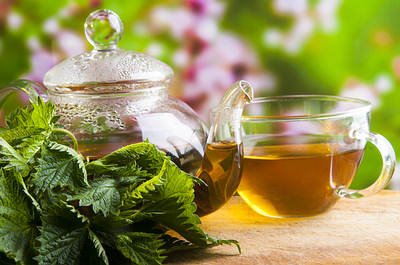
stinging nettle tea
Exploratory studies indicate that stinging nettle can be useful therapy for joint pain without any major side effects.
Though the exact reason as to why it alleviates the problem is not known, it is believed that this herb contains active compounds that reduce inflammation. Plus, it is rich in boron, a mineral that is required for healthy bones and joints.

  • Steep two to three teaspoons of dried nettle leaves in a cup of hot water for 10 to 15 minutes. Strain and drink the tea. Repeat three times a day until you get positive results.
  • You can also place fresh nettle leaves on the affected area for about 30 seconds. Do this once daily for about a week or more. It may cause initial discomfort, but will eventually take the pain away.
Note: This herb may interfere with blood thinners as well as blood pressure, heart and diabetes medications.


Thanks for taking the time to read this article. If you found this information helpful, please share it with your friends and family. Your support in our endeavor of sharing free information would be much appreciated.

Follow us on Facebook to stay updated with what's going Viral in the Alternative News scene. https://www.facebook.com/ViralAlternativeNews


Use Apple Cider Vinegar To Treat Arthritis And Joint Pain – Amazing Homemade Recipes


The amazing healing benefits of apple cider vinegar.


Arthritis causes especially severe pain which affects various parts of the body. Joint pain is a common medical condition and it can vary from mild to severe. This pain caused by joint pain can be reduced with time and rest, but at times, it can be simply unbearable.

You may have tried numerous painkillers, but still suffer from the same pain. Therefore, you need to turn to other natural and quite effective and safe treatments to soothe the pain. These natural remedies contain Apple Cider Vinegar (ACV) as a crucial ingredient.

ACV is amazing against joint pain but it is also used for cleaning the body from toxins as it is a powerful antioxidant. It offers a number of health benefits and its regular use is highly advisable.

Prevent arthritis by drinking apple cider vinegar 

Mix 1-3 tablespoons of apple cider vinegar and 8 ounces of water or juice (for best results, use cherry juice). Consume this mixture 3 times a day, before meals.

Coconut oil and apple cider vinegar

Mix 2 tablespoons of apple cider vinegar and 1 tablespoon of coconut oil and threat joint pain topically. Apply it on the painful areas, rub in and wait for couple of minutes for better results.

Apple cider vinegar bath

Prepare a foot bath with apple cider vinegar. Simply mix 6 cups of water and some apple cider vinegar and soak your feet in the mixture. In case of a neck pain, soak cotton cloth in the mixture and apply it on the neck. This procedure can be done on any other area.


Thanks for taking the time to read this article. If you found this information helpful, please share it with your friends and family. Your support in our endeavor of sharing free information would be much appreciated.

Follow us on Facebook to stay updated with what's going Viral in the Alternative News scene. https://www.facebook.com/ViralAlternativeNews


By Healthy Food House

Source: www.healthyfoodteam.com

10 Highly Effective Home Cures


From UTI and nausea to cold, flu, and food poisoning, here's all the home remedies you'll ever need. ‪#‎healthybody‬


Aches, pains, coughs, cuts and burns needn’t send you to the drug store in the middle of the night. Often you can soothe what ails you using plants, herbs and foods you already have at home.

But the best part about using home cures isn’t the convenience factor – it’s the ability to heal your body safely, naturally and, often, quickly.

10. Baking Soda for Urinary Tract Infection (UTI)

If you feel a UTI coming on, drink ¼ teaspoon of baking soda mixed with eight ounces of water. Doing this once a day should help make your bladder environment more alkaline, which makes it harder for bacteria to multiply.[i] (You should still get checked out by your doctor if you think you have a UTI.)

9. Ginger for Nausea 

If you’re feeling nauseous, try nibbling on a piece of fresh ginger root. It works wonders for a queasy stomach and has been shown to improve symptoms of nausea and vomiting by five-fold.[ii]  You can also steep fresh ginger in hot water and drink in tea form (hint: ginger freezes well, so keep a piece in your freezer so it’s there when you need it).

8. Cold Tea for Minor Burns/Puffy Eyes

Tea is rich in phytonutrients and antioxidants. If you have a minor burn, soak a washcloth in cold tea and apply it to the area for relief. You can also use cold tea bags to take puffiness out of your eyes (and, according to Dr. Oz, warm peppermint tea bags are useful to relieve itchy eyes[iii]).

7. Aloe for Sunburn and Acne

An aloe plant does more than make a cool-looking houseplant. Break off a piece and apply the fresh gel to sunburned skin for instant relief. Aloe gel is anti-inflammatory and also helps soothe irritations such as acne (and some even believe it helps minimize the appearance of wrinkles).

6. Honey for Coughs, Minor Wounds and Irritations

Honey has been shown to reduce coughing frequency and severity, as well as improve the quality of sleep (that would otherwise be interrupted by coughing).[iv] Because honey (especially raw honey) has antibacterial properties and live enzymes, you can also use it to help speed wound healing and soothe minor skin irritations and blemishes.

5. Pomegranate Skin Tea for Upset Stomach and Diarrhea

The skin from a pomegranate can be steeped in boiling water to make a tea. Drinking this is useful for calming an upset stomach and relieving diarrhea. As a bonus, you can keep the dried skin for up to six months and it will still be effective.[v]

4. Burned Toast and Tea for Food Poisoning

According to Georgianna Donadio, PhD, director of the National Institute of Whole Health, consuming a few slices of burned toast and black tea may help you feel better faster, courtesy of the toxicant-neutralizing tannic acid and charcoal they contain.[vi]

3. Cloves for Oral Health (and Toothaches)

Cloves have antiseptic and mild anesthetic properties, making them ideal for oral care. You can make an antimicrobial mouth rinse by steeping 10 dried cloves in one-half cup of water for 10 minutes. Separate out the cloves then swish the water in your mouth for pain relief and to kill bacteria. You can also apply clove essential oil directly to a toothache using a cotton swab.[vii]

2. Garlic for Healthy Cholesterol

If you want to keep your cholesterol levels healthy, try eating a clove of fresh garlic a day (chop it first to release its active ingredient). As reported by Dr. Oz, the National Health and Medical Research Council states that this simple trick may lower cholesterol by nearly 10 percent.[viii]

1. Tart Cherry Juice for Sore Muscles, Aches and Pains

Consuming tart cherry juice reduces important markers of inflammation, such as C-reactive protein (CRP). The juice is especially valued for its pain-reducing effects in arthritis and joint pain, but it has also been shown to help sore muscles. Virtually any type of anti-inflammatory pain may be better managed with tart cherry juice.


Thanks for taking the time to read this article. If you found this information helpful, please share it with your friends and family. Your support in our endeavor of sharing free information would be much appreciated.

Follow us on Facebook to stay updated with what's going Viral in the Alternative News scene. https://www.facebook.com/ViralAlternativeNews


The original article, 10 Highly Effective Home Cures was originally posted on TheHealthyBackInstitute.com re-posted with permission via Healthy Holistic Living